
Culture Between Worlds
Playlist
01
Bintang Suray, Che Yang with Lincoln's Orchestra (circa 1938)
A Keroncong-style song featuring the singer Che Yang accompanied by Lincoln’s Orchestra. Keroncong is a traditional musical genre, shaped by Portuguese musical influence, that originated in the Indonesian archipelago and gained wide popularity in Singapore and Malaya. Led by the violinist David Lincoln, Lincoln’s Orchestra was a Singapore-based Keroncong band that accompanied notable Malayan singers of the time and recorded several tracks under the Columbia label.
Source: Courtesy of Paul Lincoln
02
Tengah Malam, Miss Tijah with Lincoln's Orchestra (circa 1940s)
A Keroncong-style song featuring Miss Tijah, a Singapore-born star of the Bangsawan theatre. Bangsawan is a form of Malay operatic theatre that originated in Penang, influenced by Parsi Theatre of India, in the late 19th century. The genre flourished in popularity across the Malay Archipelago until the 1940s.
Source: Courtesy of Paul Lincoln
03
Nona Zaman Sekarang, A. Rahman with Lincoln's Orchestra (circa 1940s)
A playful jazz-style song on the independent spirit and fashion tastes of ‘modern women’, composed by Yusof B. and performed by A. Rahman, a popular singer of the time.
Source: Courtesy of Paul Lincoln
04
Di Dalam Masa Nippon, Mohd Yatim (circa 1949)
A post-war song describing hardships such as food shortages during the Japanese occupation, in a retrospectively humorous manner. The music seems to emulate ‘Japanese’ or ‘far eastern’ pentatonic scales while the singer’s accent seems to mimic a local Chinese resident.
Source: Courtesy of The Paul Augustin Collection
05
Rose, Rose I Love You, Zainal Alam (1955)
A multilingual rendition of the popular 1940 Mandarin song, Méiguì méiguì wǒ ài nǐ, sung by the Penang-born singer, Zainal Alam, who sings the song in English, Mandarin, Tamil, and Malay.
Source: Courtesy of The Paul Augustin Collection
06
Elections Song (I’m Gonna Do It), Zainal Alam (1955)
A song by Zainal Alam encouraging Malayans to register and vote in the first General Elections held on 27 July 1955. Zainal Alam was one of the earliest broadcasters of Radio Malaya and a former Director of Broadcasting of Radio Televisyen Malaya (RTM).
Source: Courtesy of The Paul Augustin Collection
07
Kota Melaka, Rokiah Wanda (circa 1958)
A fusion of Malay asli music and Latin rhythms, this song describes the past glory of Melaka and the daily life of fishermen in the Straits of Melaka. Sung by Johor-born singer and actress Rokiah Wanda, whose popularity rose in the 1940s and 1950s.
Source: Courtesy of The Paul Augustin Collection
08
Elo Elo Song
A fusion of Malay asli music and Latin rhythms, this song describes the past glory of Melaka and the daily life of fishermen in the Straits of Melaka. Sung by Johor-born singer and actress Rokiah Wanda, whose popularity rose in the 1940s and 1950s.
Source: Araro Ariraro project, directed by Gogularaajan Rajendran and produced by Kumanavannan Rajendran.
09
Teochew Puppetry excerpt, Penang
Teochew Puppetry is a distinctive form of Chinese theatre, bringing folk tales and legends to life through skillfully manipulated marionette puppets. This rare form of theatre is still practised by a handful of master performers in Penang.
Source: Courtesy of PUSAKA
10
Mak Yong, Kuala Besut, Terengganu
Rebab and gong performed by Kumpulan Mak Yong Cahaya Matahari. Mak Yong is a Malay dance-drama tradition originating from the Malaysian state of Kelantan and the Patani region of southern Thailand.
Source: Courtesy of PUSAKA
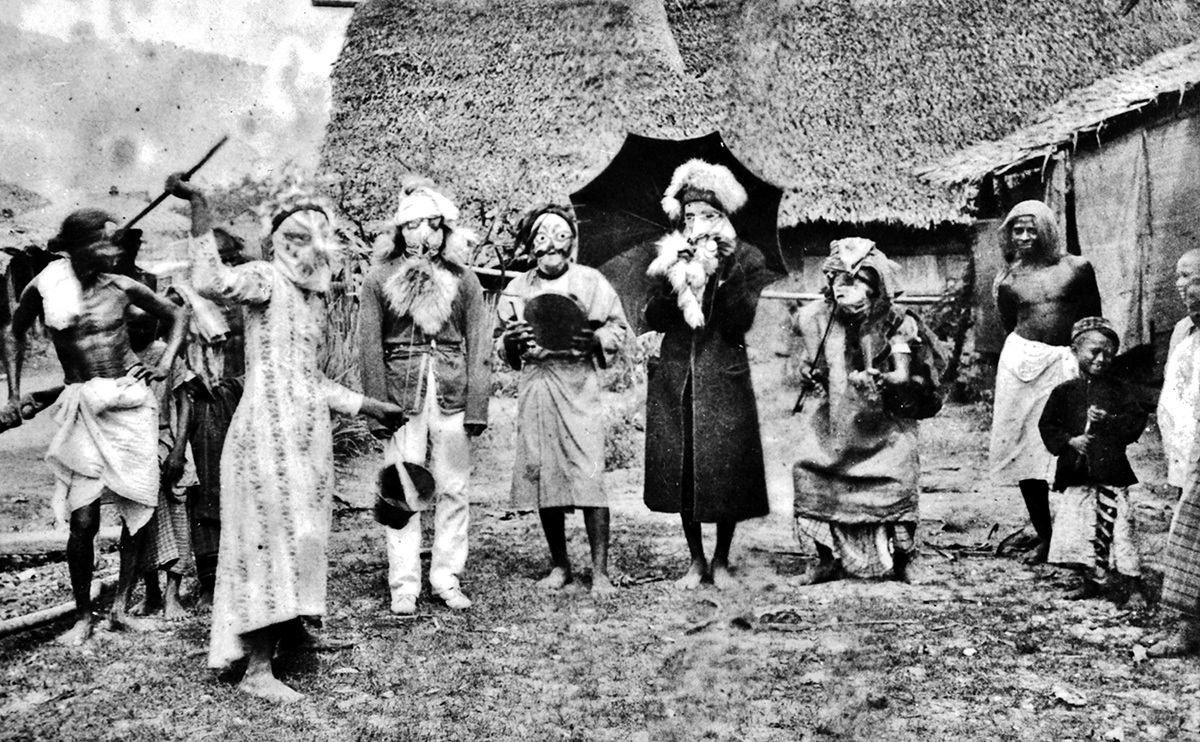
Boria performers with masks, early 20th century
Source: The Paul Augustion Collection
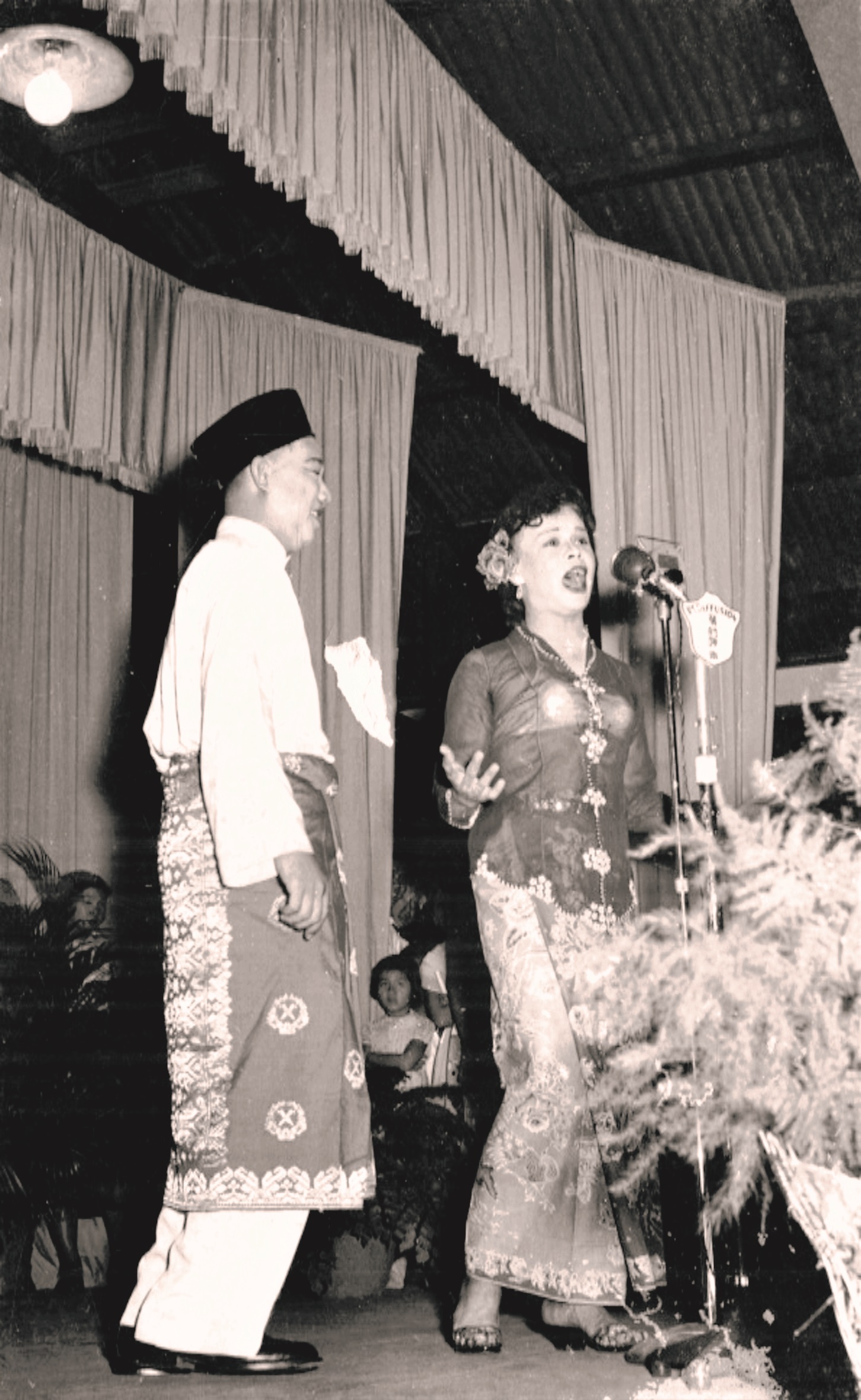
Dondang Sayang Club Performance, circa 1960s
Source: The Paul Augustion Collection
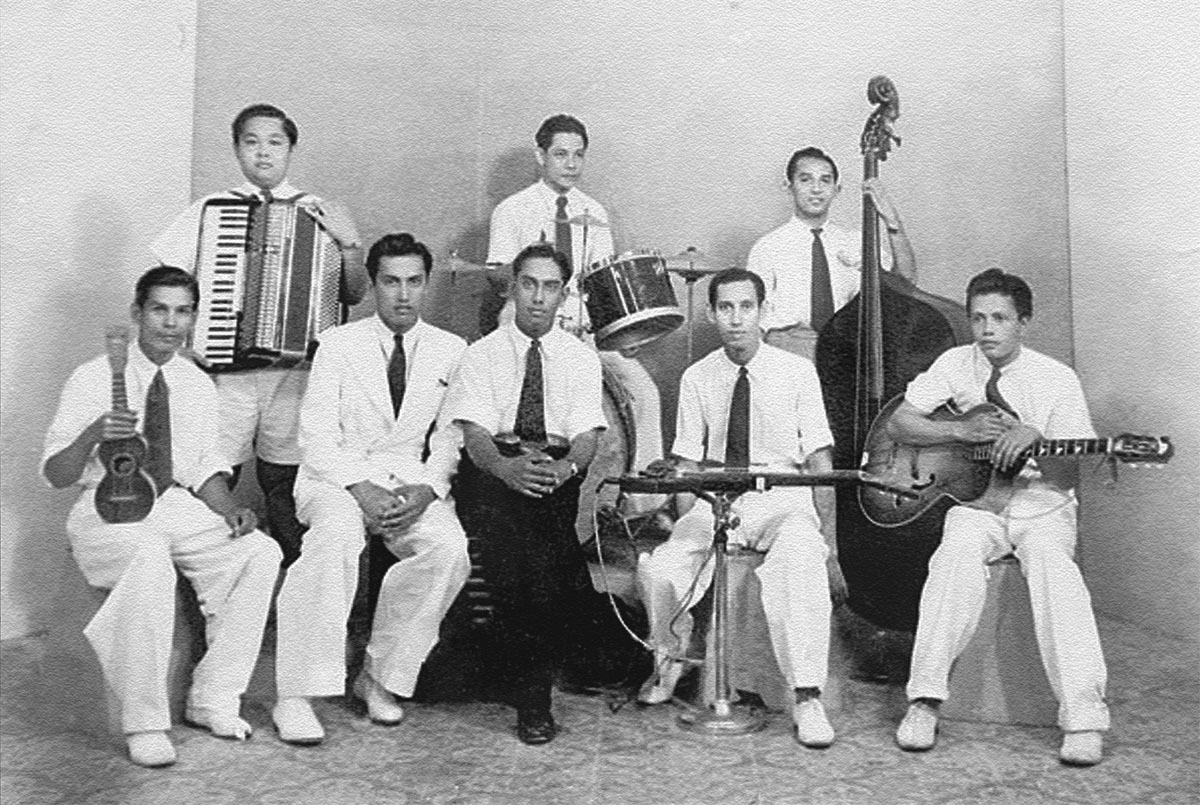
Rindu Malam Radio Orchestra [Max Fletcher, David Ng, Ahmad Merican, Zainal Alam, Ah King (drums), Joe Rozells, Kemrad (bass) and Ismail Yahya], circa 1950s
Source: The Paul Augustion Collection
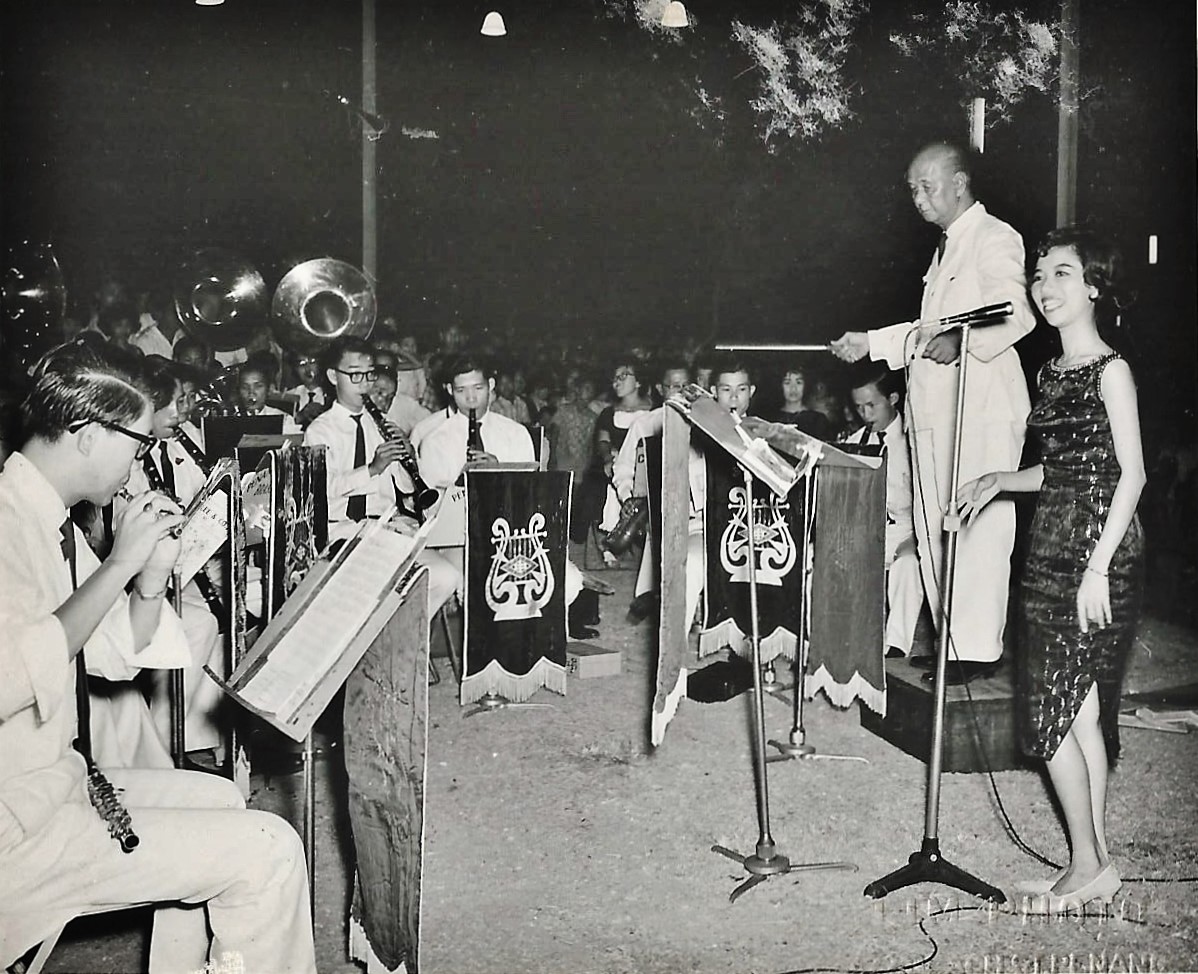
Evelyn Ho with JA Montano and Orchestra, circa 1950s
Source: The Paul Augustion Collection


On 15 December 2025, Prime Minister Dato’ Seri Anwar bin Ibrahim signed a commemorative plaque marking the historic completion of the restoration of Seri Negara. The ceremony signified the return of this landmark building to the public following an extensive conservation effort led by Khazanah Nasional Berhad under Dana Warisan and Warisan KL.
In his address, the Prime Minister emphasised that the preservation of heritage is not merely an exercise in revisiting history, but an act of giving meaning to independence and national identity. He reminded the audience that freedom was never attained without sacrifice, noting that the nation’s story is marked by hardship and struggle — by sweat, blood and tears — and that younger generations must understand this inheritance.
Reflecting on the building’s past as a symbol of colonial elitism, he underscored that Seri Negara now carries renewed significance. No longer an exclusive enclave, it has been redefined as a space belonging to all. Within the framework of Malaysia MADANI, he stressed the principle of inclusivity, affirming that schoolchildren, young people and ordinary citizens must be able to claim this place as their own — as citizens of a sovereign and independent nation.
He further described the restoration as an endeavour to be enjoyed and embraced by all Malaysians, one in which they may take pride as an expression of the true meaning of independence.
This commemorative plaque therefore signifies more than a formal inauguration. It marks a profound shift in meaning — from a monument of colonial authority to a living, inclusive heritage landmark. It records the moment Seri Negara was reclaimed as a public cultural space, a platform for historical learning, and a symbol of national pride for present and future generations.
Further Reference

“The Sultan’s Abduction”, New Straits Times
https://www.nst.com.my/lifestyle/sunday-vibes/2017/04/235140/sultans-abduction
Grand Staircase
During the 1989 conversion of this building into a heritage boutique hotel, Seri Negara’s grand timber staircase was reconstructed to accommodate the new hotel layout. One of the key conservation achievements was the reinstatement of the staircase’s original orientation guided by archival research and early floor plans. The grand staircase now stands restored in locally sourced Merbau timber.
Porte Cochere Steps
Over the years, the lower steps at the Porte Cochere entrance had gradually been buried beneath raised road levels,obscuring the originalproportions. The profile of the steps was also altered and overlaid with new layers of mosaic and ceramic tiles. The restoration uncovered these steps and refurbished them to their original profile, revealing their authentic form once more.
Demolition of New Extensions
As part of the conservation works, physical extensions introduced over the years were carefully dismantled. The removal of these internal and external additions was essential to returning the building to its original massing and architectural integrity.
Reinstatement of Transom Windows
Old photographs and historical drawings provided vital evidence for restoring several framed transom windows to their original design.Louvered windows were replaced in accordance with authentic details, while corniceswere reconstructed based on the 1924 architectural drawings.
Building Materials Restoration
The timber flooringand supporting joists were restored using solid Merbau hardwood, while roof trusses and tiles were renewed to match the original materialsas closely as possible. The roof reinstatement included Marseille tiles, consistent with the building’s early fabric.

